
The Power of Texture: The Secret Ingredient of Beautiful Interior Design
When people think about interior design, colour is usually the first thing that comes to mind. Yet one of the most influential design elements is often the one that receives the least attention: texture.
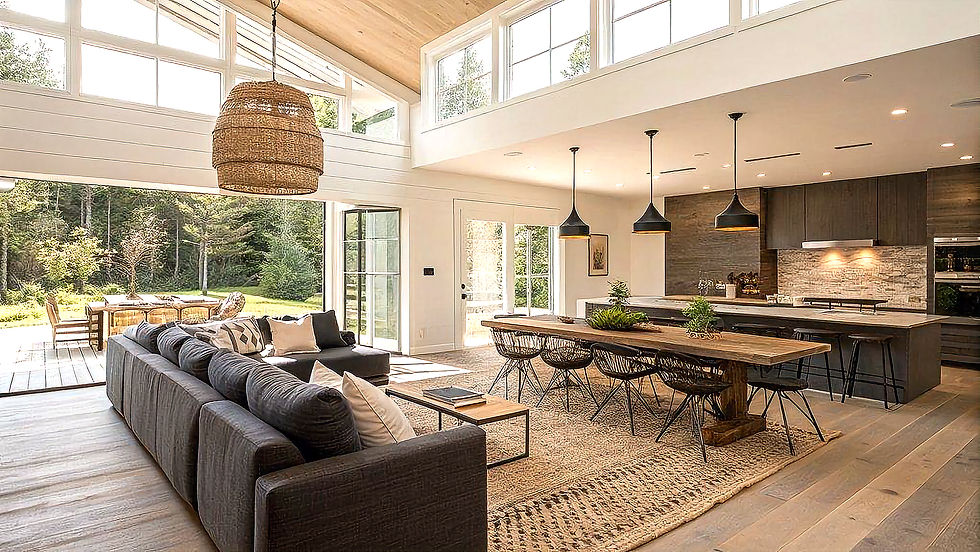
Texture is what transforms a room from simply looking beautiful to feeling beautiful. It adds warmth, depth, personality and comfort, creating interiors that invite you to relax, connect and truly experience the space. Whether your style is modern minimalist, contemporary, classic or eclectic, mastering texture is the key to creating interiors that feel layered, sophisticated and timeless.
What is Texture?
Texture refers to the surface quality of every material within a space—how it looks and how it feels. It is both tactile texture, which you can physically touch, and visual texture, where your eyes instinctively understand how a surface would feel.
Think of the smooth elegance of polished marble, the warmth of natural oak, the softness of linen curtains or the inviting comfort of a bouclé armchair. Even if you don't touch these materials, your brain instantly recognises them, creating an emotional response. Texture engages both sight and touch, making it one of the most powerful tools available to interior designers.
Why Texture Matters
A room without texture can feel flat, cold and uninspiring, even when filled with expensive furniture. Texture introduces contrast and visual interest while creating an atmosphere that feels authentic and lived in.
Texture brings several important benefits:
Creates depth and dimension by layering different materials and finishes.
Adds warmth and comfort, making spaces feel welcoming rather than sterile.
Enhances visual interest, particularly when using neutral colour palettes.
Influences how light behaves, with rough surfaces absorbing light to create intimacy while polished finishes reflect light, making spaces appear brighter and larger.
Defines style, from sleek contemporary interiors to rustic country homes.
In many ways, texture becomes the personality of a room.
The Art of Layering Texture
One of the simplest ways to create a professionally designed interior is through thoughtful layering.
Rather than relying on colour alone, combine contrasting materials to create balance and harmony.
Organic & Natural
Natural materials immediately introduce warmth and authenticity.
Consider incorporating:
Natural stone such as marble, travertine or slate
Timber with visible grain, particularly oak or walnut
Reeded or fluted cabinetry and wall panelling
Rattan and woven elements
Live-edge timber furniture
These materials provide a grounding connection to nature while adding beautiful organic variation.
Soft & Inviting
Soft textures make a house feel like a home.
Layer together:
Bouclé armchairs
Velvet cushions
Linen curtains
Cotton bedding
Chunky knit throws
Wool or jute rugs
These tactile elements soften architectural lines while creating a sense of comfort and luxury.
Sleek & Refined
To balance softer materials, incorporate smoother finishes such as:
Brushed brass
Matte black fittings
Stainless steel
Glass tables
Lacquered cabinetry
Polished stone
These reflective surfaces introduce elegance while allowing natural light to bounce throughout the room.
The Beauty of Contrast
Some of the most memorable interiors are built on contrast.
Imagine:
A rough timber dining table paired with velvet dining chairs.
A polished marble coffee table resting on a chunky woven rug.
Soft linen curtains hanging beside textured lime-plastered walls.
Brushed brass lighting suspended above natural stone countertops.
These opposing textures create balance, making every material stand out while complementing the others.
Designing with Texture in Modern Homes
Modern interiors often embrace clean lines and restrained colour palettes. Without careful layering, however, these spaces can feel clinical.
Texture replaces unnecessary ornamentation by allowing materials themselves to become the decoration. Fluted timber cabinetry, lime plaster walls, boucle upholstery, natural stone and woven fibres add visual richness without cluttering the design. The result is a minimalist space that still feels warm, welcoming and deeply connected to nature.
A Simple Rule for Success
One useful guideline many designers follow is the 70/30 Rule.
Allow one dominant texture to occupy roughly 70% of the room—for example smooth painted walls, timber flooring or simple cabinetry. Then introduce approximately 30% contrasting textures through fabrics, artwork, lighting, rugs and decorative accessories. This creates visual balance while preventing the room from becoming overwhelming.
Another helpful principle is repetition. Repeating a texture at least twice throughout a room creates cohesion—for example matching the timber of a coffee table with picture frames or shelving.
Lighting Brings Texture to Life
Texture truly comes alive when illuminated.
Natural daylight reveals the subtle grain in timber, the movement in marble and the softness of woven fabrics. Layered lighting—combining ambient, task and accent lighting—creates shadows that enhance textured walls, fabrics and architectural details, adding another dimension to your interior.
Light doesn't simply illuminate texture—it celebrates it.
The Finishing Touch
Beautiful interiors are never about filling a room with expensive furniture or following the latest trends. They're about creating spaces that feel authentic, balanced and welcoming. Texture is the element that brings everything together.
By thoughtfully combining soft and hard surfaces, natural and refined materials, matte and polished finishes, you create interiors that engage the senses and tell a story. The result is a home with warmth, character and lasting appeal.
The next time you begin a decorating project, don't just ask, "What colour should I choose?" Ask instead, "How will this room feel?"
Because great design isn't only something we see—it's something we experience!


Comments