
Interior Design Trends for 2026: Creating Homes That Feel as Good as They Look
Interior design in 2026 is no longer just about creating beautiful spaces—it is about designing homes that support our lifestyles, reflect our personalities, and improve our wellbeing.
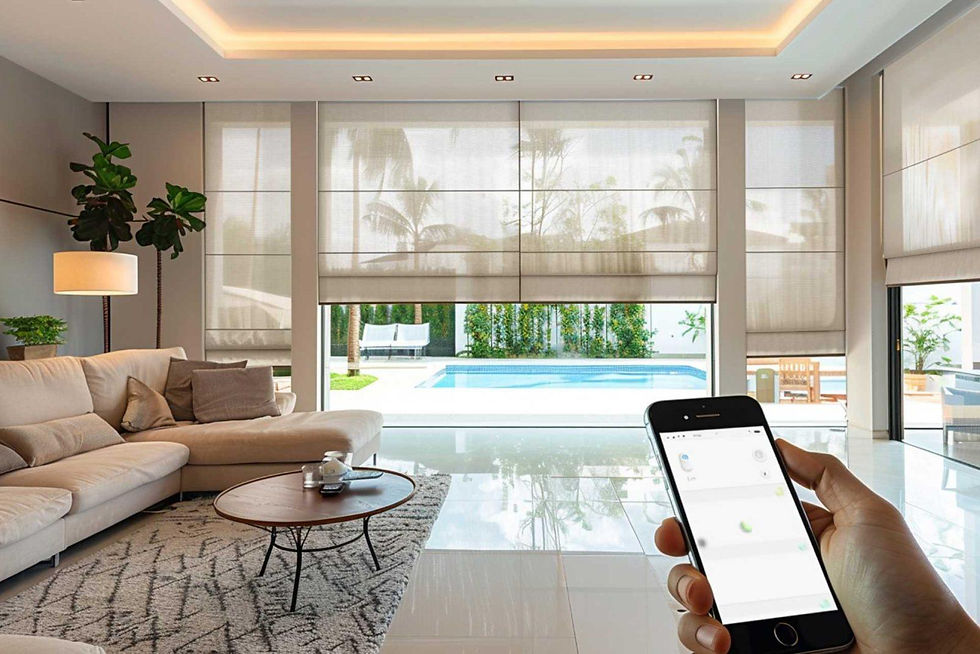
Our homes have become places where we work, entertain, relax, exercise and reconnect with family, making thoughtful design more important than ever. Rather than following short-lived trends, the focus has shifted towards creating timeless spaces that are comfortable, sustainable, technologically advanced, and uniquely personal.
In 2026 interior design is embracing authenticity over perfection, comfort over excess, and individuality over trends. Nature-inspired materials, warm colours, handcrafted finishes and intelligent technology are transforming homes into beautiful sanctuaries that nurture both body and mind.
Whether you're planning a complete renovation or simply looking to refresh a room, the trends shaping 2026 offer endless inspiration. Here are the most exciting ideas influencing interiors this year.
Luxury is no longer about excess—it's about investing in fewer, better-quality pieces that will stand the test of time.
Nature Takes Centre Stage: The Rise of Biophilic Design
One of the strongest influences in interior design continues to be biophilic design—the philosophy of strengthening our connection with nature by incorporating natural elements into our interiors.
Scientific studies have shown that natural surroundings can reduce stress, improve concentration, and contribute to overall wellbeing, making this trend far more than an aesthetic choice.
Expect interiors filled with:
Abundant indoor plants of varying sizes
Natural timber cabinetry and finishes
Stone surfaces with organic textures
Limewash and clay wall finishes
Handmade ceramics
Linen and cotton textiles
Large windows and skylights that maximise natural light
Organic forms and curved furniture
Indoor water features
Natural Ventilation
A home that reflects nature immediately feels calmer, healthier and timeless.
Designers are moving beyond simply adding a few pot plants. Living walls, indoor trees, and gardens that seamlessly flow into outdoor entertainment areas are becoming increasingly popular.
Designers are also embracing sustainable materials such as bamboo, cork, reclaimed timber, and recycled stone. Natural materials that celebrate imperfections such as oak, walnut, cork and travertine continue to dominate furniture, flooring and decorative accessories without compromising on style.
Wellness-Centred Design
Perhaps the most meaningful trend of 2026 is designing for wellbeing.
Homeowners are creating spaces that actively support healthier lifestyles.
Examples include:
Spa-inspired bathrooms
Meditation corners
Reading nooks
Home gyms
Better acoustic design
Air purification systems
Circadian lighting
Aromatherapy integration
Comfortable outdoor living spaces
Design is increasingly focused on how a home feels rather than simply how it looks.
Warm Colours Replace Cool Minimalism
The era of cold grey and all-white interiors is giving way to rich, comforting colours inspired by nature.
Designers are embracing palettes that create warmth and emotional connection, including:
Terracotta
Burnt Sienna
Clay
Cinnamon
Olive Green
Sage
Moss
Ochre
Mushroom
Warm Taupe
Sand
Soft Caramel
Chocolate Brown
These earthy tones create inviting spaces that pairs beautifully with natural materials. Deep burgundy, forest green and rich navy are also appearing as statement colours in studies, dining rooms and entertainment spaces.
Rather than using colour sparingly, designers are also embracing colour drenching, where walls, ceilings, skirtings, and even cabinetry are painted in varying shades of the same colour to create a luxurious, cocooning effect.
The result is interiors that feel welcoming, sophisticated and lived-in.
Texture is the New Luxury
Luxury in 2026 is less about expensive finishes and more about how a room feels.
Texture has become one of the most important design elements, adding visual interest, warmth, depth and personality to every interior. If colour is becoming softer, texture is becoming bolder.
Expect to see combinations such as:
Velvet upholstery
Linen curtains
Bouclé fabrics
Limewash paint and Roman clay walls
Ribbed and fluted timber panelling
Natural stone
Handmade tiles
Fluted glass
Woven lighting
Textured wallpapers
Wool rugs
Reeded glass
Micro cement walls
Layering textures creates depth and richness without overwhelming a space.
Imagine pairing a velvet sofa with a rough travertine coffee table, linen curtains and a chunky woven rug—the result is both luxurious and inviting. Even neutral colour schemes become dynamic when multiple textures work together.
Curves Continue to Soften Our Homes
Sharp lines are gradually giving way to softer silhouettes.
Rounded furniture, curved sofas, arched doorways, oval mirrors, circular coffee tables and sculptural lighting all contribute to creating interiors that feel welcoming and relaxed.
Look for:
Curved sofas
Circular coffee tables
Arched doorways
Rounded mirrors
Sculptural armchairs
Organic-shaped rugs
These organic forms echo shapes found in nature introduce softness and movement throughout the home, balancing the clean architectural lines found in many modern homes.
Statement Lighting as Functional Art
Lighting has become one of the most exciting design elements. It is now considered sculpture and has become far more than a practical necessity.
Oversized pendants, sculptural chandeliers, artistic wall sconces and decorative floor lamps are being used as focal points rather than afterthoughts.
Layered lighting the art of combining ambient, task and accent lighting allows homeowners to change the atmosphere of a room throughout the day, whilst warm lighting temperatures creates interiors that feel cosy and welcoming.
Lighting is no longer just practical; it has become an expression of personal style.
Smart Homes Become Invisible
Technology continues to transform our homes—but in 2026, the emphasis is on technology that disappears into the background.
Rather than showcasing gadgets, designers are integrating smart technology seamlessly into interiors.
Popular features include:
Intelligent lighting systems
Automated blinds
Smart climate control
Voice-controlled lighting and entertainment
Hidden charging stations
Smart kitchen appliances
Water-saving technology
Energy monitoring systems
Intelligent security systems
Integrated sound systems
Smart mirrors
Wireless appliance control
Artificial Intelligence is also changing the design process itself. Designers can now use AI tools to generate concept visuals, test furniture layouts, experiment with colour schemes and help clients visualise spaces before construction begins.
While AI is an incredibly powerful design assistant, it cannot replace the expertise of a professional designer who understands proportion, spatial planning, technical detailing and the personal needs of each client.
The goal is simple: technology should simplify daily life without compromising beautiful design.
Sustainability is No Longer a Trend—It's a Standard
Environmental responsibility has become central to good design.
Homeowners are making conscious choices by investing in products that are responsibly sourced and environmentally conscious.
Some of the biggest sustainable movements include:
Reclaimed wood and FSC-certified timber
Vintage furniture
Locally manufactured furniture and products
Recycled wood and stone materials
Bamboo flooring
Low-VOC paints
Energy-efficient lighting
Water-saving sanitary fittings
Natural fibres
Modular furniture that can evolve with changing needs
Rather than replacing everything, many homeowners are refurbishing existing furniture, reupholstering quality pieces and choosing timeless designs that won't date quickly.
Flexible Living for Changing Lifestyles
Our homes continue to work harder than ever before.
Open-plan living remains popular, but spaces now need greater flexibility. Many families require spaces that adapt throughout the day—serving as offices, classrooms, entertainment areas and guest accommodation. Multifunctional design has become essential and the emphasis is on creating spaces that evolve alongside the family's changing lifestyle.
Designers are responding with:
Extendable dining tables
Modular sofas and furniture
Hidden desks
Murphy beds
Storage ottomans
Sliding room dividers
Flexible shelving systems
Home offices that transform into guest bedrooms
Dining areas doubling as workspaces
Kitchen islands with integrated seating and storage
Hidden pantries
Built-in storage solutions
Custom cabinetry remains one of the best investments homeowners can make to maximise storage while maintaining a clean aesthetic.
The Kitchen Remains the Heart of the Home
Kitchen design continues to evolve towards understated luxury.
Some of the defining trends for 2026 include:
Warm timber cabinetry
Fluted wood detailing
Quartzite and porcelain countertops
Hidden walk-in pantries
Integrated appliances
Large islands for entertaining
Layered lighting
Open display shelving mixed with concealed storage
Metallic finishes are becoming softer too, with brushed brass, bronze and antique nickel replacing highly polished chrome. The result is a kitchen that feels elegant, practical and welcoming.
Wellness-Focused Bathrooms
Bathrooms are increasingly being designed as private wellness retreats.
Spa-inspired features include:
Freestanding baths
Walk-in rainfall showers
Natural stone
Timber vanities
Ambient lighting
Heated flooring
Large-format tiles
Soft neutral colour palettes
Homeowners are looking to create spaces that encourage relaxation and self-care rather than simply serving a functional purpose.
Personality Over Perfection
Perhaps the biggest shift is the moving away from perfectly styled, catalogue-inspired interiors.
Today's interiors celebrate individuality and are becoming deeply personal.
Homeowners are mixing vintage finds with contemporary furniture, displaying travel souvenirs alongside modern artwork, and incorporating family heirlooms into new spaces.
Custom-made furniture, handcrafted décor, locally produced artwork and one-of-a-kind accessories are helping homes tell the story of the people who live in them.
Homeowners are embracing:
Family heirlooms
Vintage furniture
Handmade ceramics
Original artwork
Books
Travel collections
Artisan-crafted décor
Bespoke joinery
Rather than following trends exactly, people are embracing authenticity and creating interiors that reflect their own experiences and personalities.
Looking Ahead
Interior design in 2026 is about creating homes that nurture both body and mind.
It celebrates sustainability without sacrificing luxury, embraces technology without losing warmth, and values individuality over perfection.
The best-designed homes are never those that simply follow trends—they are the ones that reflect the people who live in them. It's about creating spaces that enhance your daily life and continue to bring joy for years to come.
Thoughtful design, quality craftsmanship and personal expression remain the true hallmarks of exceptional interiors. Whether you're planning a complete renovation or simply refreshing a room, focus on timeless design principles rather than fleeting fashions.
Invest in quality materials, layer textures, introduce natural elements, embrace warm colours and choose pieces that reflect your personality.
At the heart of every successful project lies a simple philosophy: design your home for the way you live—not just for the way it looks!


Comments